
Hearing loss refers to a partial or total inability to hear sounds in one or both ears. It may develop gradually over time or occur suddenly. While it is most commonly associated with aging, hearing loss can affect people of all ages including infants, children, and young adults.
Left untreated, hearing loss can lead to communication difficulties, social withdrawal, reduced work performance, and has been linked to an increased risk of cognitive decline. The good news: with early detection and the right care, most people with hearing loss can live full, connected lives.
Occurs when sound cannot travel freely through the ear canal or middle ear.
Causes: Earwax buildup, ear infections, fluid in the middle ear, perforated eardrum, or physical injury.
Symptoms: Sounds seem faint or muffled, sensation of fullness in the ear.
Treatment: Often treatable through wax removal, medication, or minor surgical procedures. This type of hearing loss frequently has a medical cure.
A combination of both sensorineural and conductive hearing loss. Requires a careful treatment plan addressing the conductive component first, followed by hearing aid fitting for the nerve-related component.

The most common type. Occurs when the hair cells in the inner ear or the auditory nerve are damaged.
Causes: Aging (presbycusis), long-term exposure to loud noise, genetic factors, illnesses like diabetes, thyroid disorders, or certain medications.
Symptoms: Difficulty understanding speech in noisy places, voices sounding muffled, needing higher TV/phone volume, struggling with high-pitched sounds.
Treatment: Usually permanent, but highly manageable with digital hearing aids, cochlear implants, and auditory rehabilitation

In Adults:
In Children & Newborns:
In Adults:
In Babies & Children:

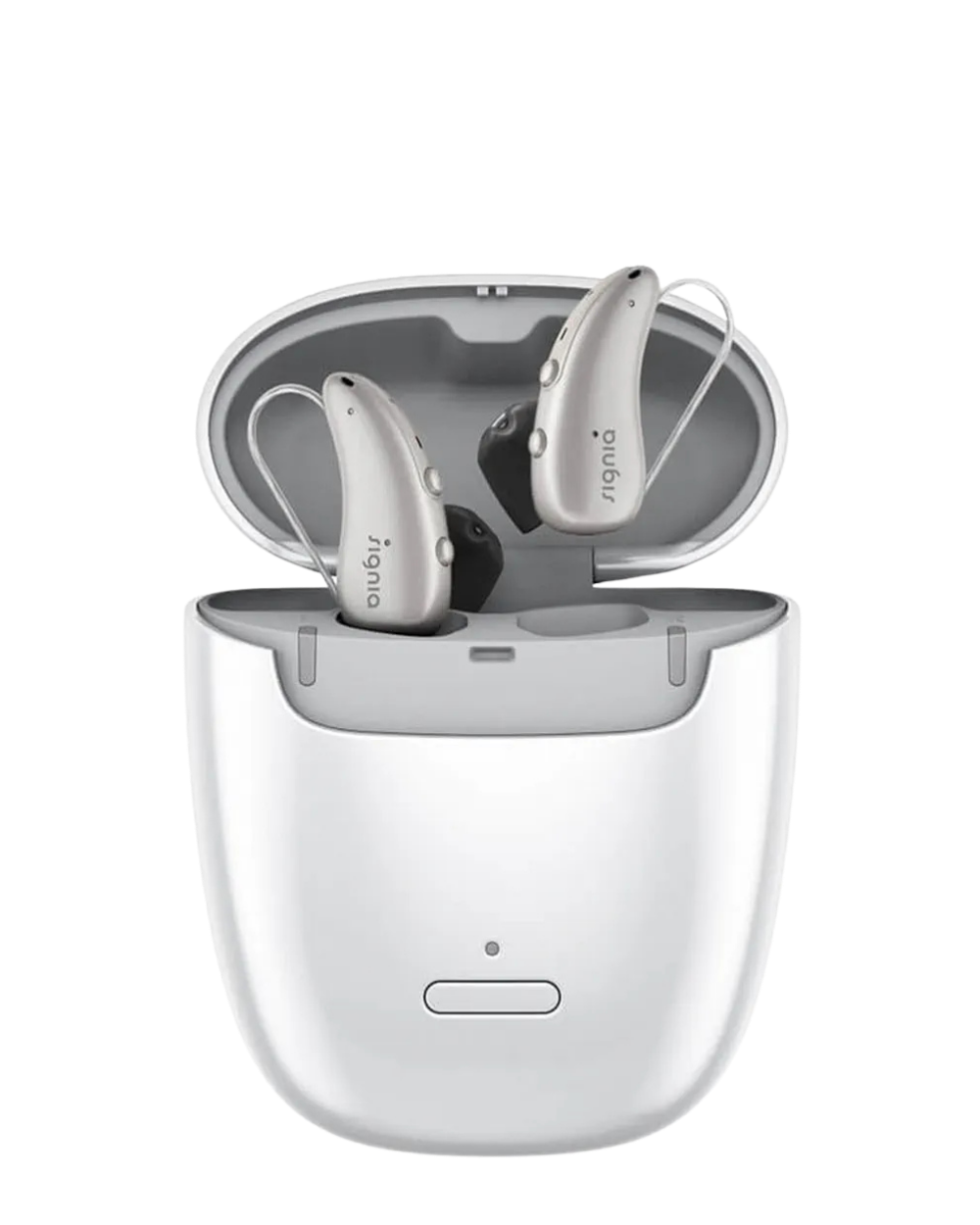
The most common and effective treatment for sensorineural hearing loss. Oreva offers the latest digital, Bluetooth-enabled, rechargeable, and invisible hearing aids from world-leading brands, professionally fitted by our audiologists.
For severe to profound sensorineural hearing loss where hearing aids provide limited benefit. We provide assessment, referral, and rehabilitation support for cochlear implant candidacy.
For conductive hearing loss caused by infections, fluid, or structural issues medical treatment or minor surgical procedures may fully restore hearing.
For children with hearing loss a structured therapy program that teaches spoken language through listening, helping children integrate into mainstream education and social life.
Supports communication development in children and adults managing hearing loss.
Remote hearing care for patients in rural Karnataka who cannot travel to a clinic. Oreva is a pioneer in bringing hearing healthcare to underserved communities through technology.
+91 76250 06888
info@orevahearingsolutions.in
It depends on the type. Conductive hearing loss (caused by infection, wax, or fluid) is often treatable and reversible. Sensorineural hearing loss is usually permanent but can be effectively managed with hearing aids or implants.
With early detection and intervention hearing aids, AVT, and speech therapy many children with hearing loss go on to develop normal speech and language and attend mainstream schools.
There are five degrees: mild, moderate, moderately severe, severe, and profound.
Hearing aids are generally recommended from moderate hearing loss (41 dB and above), but your audiologist will advise based on your specific listening needs and lifestyle.
Yes. Untreated hearing loss has been linked to increased risk of dementia, depression, social isolation, and reduced cognitive function. Early intervention is strongly recommended.
Visit Our Hearing Solutions Today

info@orevahearingsolutions.in
Oreva has been dedicated to improving lives through comprehensive hearing healthcare services.
© 2026 · Oreva Hearing Solutions · All rights reserved
WhatsApp us